
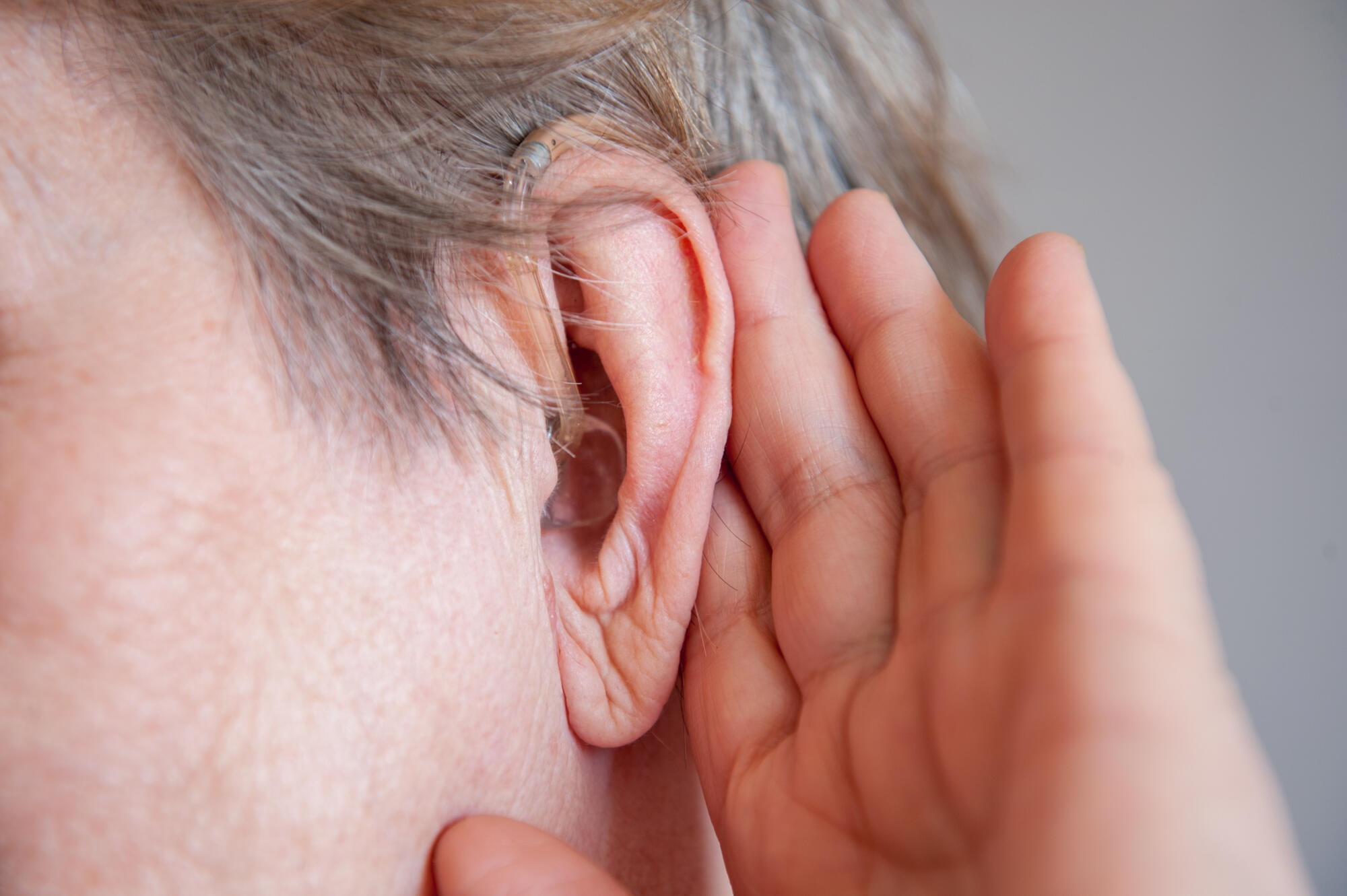
In-Depth Guide to Understanding Why Hearing Declines
Hearing loss is more than just “not hearing well”—it’s a complex condition that can affect communication, relationships, mental health, and overall quality of life. It can develop slowly over time or appear suddenly, depending on the underlying cause.
This detailed guide explains how hearing works, the different types of hearing loss, and the full range of causes, including medical, environmental, and lifestyle factors.
How Hearing Works (Why Problems Happen)
To understand hearing loss, you need to know how the ear functions:
- Outer Ear – Collects sound waves
- Middle Ear – Amplifies vibrations via tiny bones
- Inner Ear (Cochlea) – Converts vibrations into electrical signals
- Auditory Nerve → Brain – Processes sound into meaning
Hearing loss occurs when any part of this chain is disrupted.
Types of Hearing Loss (Expanded)
1. Conductive Hearing Loss
Occurs when sound cannot efficiently pass through the outer or middle ear.
Usually temporary and treatable.
Causes include:
- Earwax blockage
- Fluid in the middle ear
- Eardrum damage
2. Sensorineural Hearing Loss
This involves damage to the inner ear or auditory nerve.
Often permanent.
Key issue: Damage to tiny hair cells in the cochlea (they do not regenerate).
3. Mixed Hearing Loss
A combination of conductive and sensorineural causes.
Major Causes of Hearing Loss (Detailed)
1. Aging (Presbycusis)
Age-related hearing loss is the most common cause worldwide.
What Happens:
- Hair cells in the cochlea gradually deteriorate
- Nerve pathways weaken
- Brain processing slows
Risk Factors:
- Long-term noise exposure
- Poor circulation
- Genetics
Symptoms:
- Difficulty hearing high frequencies
- Trouble understanding speech (especially in noise)
- Frequently asking people to repeat themselves
2. Noise-Induced Hearing Loss (NIHL)
This is one of the most preventable causes.
How Damage Occurs:
Loud sounds destroy sensitive cochlear hair cells permanently.
Sources of Harmful Noise:
- Headphones at high volume
- Concerts and clubs
- Industrial machinery
- Firearms
Two Types:
- Acute: One-time loud blast (explosion)
- Chronic: Repeated exposure over time
Early Warning Signs:
- Ringing in ears (tinnitus)
- Sounds seem “dull” after exposure
3. Ear Infections (Otitis Media)
Common in children but can affect adults.
What Happens:
- Fluid builds up in the middle ear
- Pressure interferes with sound transmission
Complications:
- Repeated infections can damage the eardrum
- Chronic fluid can lead to long-term hearing issues
4. Earwax (Cerumen) Blockage
Earwax is protective—but too much can block sound.
Causes of Buildup:
- Using cotton swabs (pushes wax deeper)
- Narrow ear canals
- Overproduction
Symptoms:
- Muffled hearing
- Earache
- Tinnitus
Good news: Easily treatable by a professional.
5. Genetic and Congenital Causes
Some people are born with hearing loss or develop it due to inherited genes.
Types:
- Congenital hearing loss (present at birth)
- Delayed-onset genetic hearing loss
Causes:
- Abnormal ear structure
- Mutations affecting cochlear function
6. Diseases and Medical Conditions
Several diseases affect hearing by damaging blood vessels, nerves, or inner ear structures.
Key Conditions:
- Meniere’s disease
Causes fluid imbalance in the inner ear
Symptoms: vertigo, tinnitus, fluctuating hearing - Diabetes
Damages small blood vessels supplying the ear - Hypertension
Reduces blood flow to the cochlea - Viral infections (e.g., measles, mumps)
- Autoimmune inner ear disease
7. Ototoxic Medications
Certain drugs can damage the inner ear permanently.
High-Risk Medications:
- Aminoglycoside antibiotics
- Chemotherapy drugs
- Loop diuretics
- High-dose aspirin
Effects:
- Hearing loss
- Tinnitus
- Balance problems
8. Head Trauma and Physical Injury
Injuries can damage any part of the hearing system.
Possible Damage:
- Ruptured eardrum
- Dislocated middle ear bones
- Nerve damage
Common Causes:
- Car accidents
- Falls
- Sports injuries
9. Sudden Sensorineural Hearing Loss (SSNHL)
A rapid loss of hearing (often in one ear), usually within 72 hours.
Possible Causes:
- Viral infections
- Blood circulation problems
- Immune system attacks
Medical emergency — requires immediate treatment.
10. Tumors and Growths
Rare but serious cause.
Example:
- Acoustic neuroma (benign tumor on auditory nerve)
Symptoms:
- Hearing loss in one ear
- Balance issues
- Tinnitus
11. Lifestyle and Environmental Factors
Your daily habits also play a major role.
Risk Factors:
- Smoking (reduces blood flow)
- Poor diet (affects nerve health)
- Lack of exercise
- Chronic stress
Early Warning Signs of Hearing Loss
- Frequently increasing TV or phone volume
- Difficulty hearing in noisy environments
- Ringing or buzzing sounds
- Misunderstanding conversations
- Social withdrawal
Prevention Strategies (Expanded)
Protect Your Ears:
- Use earplugs in loud environments
- Follow the 60/60 rule (60% volume for 60 minutes max)
Maintain Health:
- Control blood pressure and blood sugar
- Exercise regularly
- Eat nutrient-rich foods (especially magnesium & omega-3s)
Safe Ear Care:
- Avoid inserting objects into ears
- Clean ears properly
Regular Checkups:
- Hearing tests, especially after age 40
Final Thoughts
Hearing loss is often progressive and unnoticed at first, but its impact can be significant if ignored. The key takeaway is:
👉 Many causes—like noise exposure, infections, and lifestyle habits—are preventable
👉 Others—like aging or genetics—can be managed with early intervention
If you act early, you can protect your hearing for life.